
Army Progressing on AI Systems for Modernization
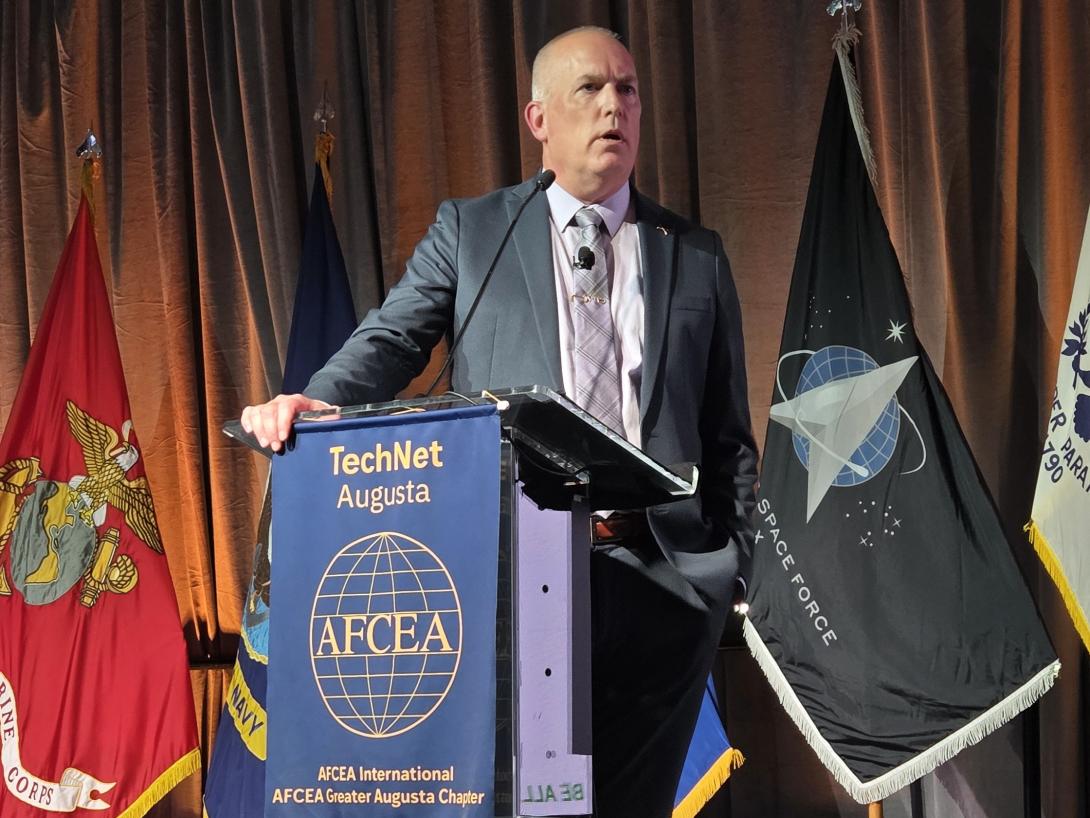
The U.S. Army is moving forward on two major artificial intelligence (AI) programs: VICTOR and the Maven Smart System, Paul Reese, director, Transformation Integration Directorate, U.S. Army Combined Arms Center, told the audience on the first day of AFCEA’s TechNet Augusta 2026 conference.
VICTOR is a new AI-powered network engagement platform designed to transform how soldiers and Army career professionals discover, share and apply operational knowledge. Managed by the Combined Arms Command, the effort represents the next step in connecting the Army’s institutional knowledge with the needs of soldiers across the force.
The tool aims to solve a long-standing problem: critical lessons and insights are often locked away in disconnected data silos, which impedes and discourages soldiers from finding them, according to an Army article published earlier this month. “Whether preparing for a training event, planning an operation or responding to an emerging threat, soldiers and leaders often spend valuable time searching across multiple systems for information. VICTOR is focused on reducing that burden by bringing trusted Army knowledge together into one interface,” the article explains.
Reese noted that the system is currently in the prototyping phase with “folks across the operational force” and from Army Transformation and Training Command (T2COM) centers of excellence “working through some of the user experience, getting some of that work done on the front end.”
He also reported that beginning this week, the Army will integrate reams of data into the system. “We are also starting to actually now ingest those databases that we have identified, some over 1,600 different databases that are out there that have information observations, whether that's an AAR [after action review] professional writing paper, our doctrine, as I mentioned, our POIs [programs of instruction]. We are starting that ingest process this week,” he said, adding that the service intends to begin releasing the tool in October.
Meanwhile, the Maven Smart System (MSS) is an AI tool designed to modernize training and education for command-and-control (C2) operations. It processes battlefield data, including imagery and full-motion video, to improve situational awareness and speed decision-making. It is designed to automate tasks formerly performed via legacy systems like the Command Post Computing Environment.
“We are getting some of the Maven Smart Systems and we're putting them down at CGSC [Army Command and General Staff College] so that we can start getting our captains and majors more familiar with those going forward,” Reese offered. “We are rapidly trying to build classes to help soldiers and leaders understand the powers and what to do and how to adapt those before they will get it fielded. Everybody's going to get a piece of either C2NOW or Next Gen C2 here in the next, you know, 30 months,” he said referring to two of the services C2 modernization efforts.
The progress with VICTOR is noteworthy in part because it will help define some key elements of the modernized force based on observations from modern conflicts including Ukraine, Gaza and Lebanon. “So really, this is a tool that we are going to use with AI in order to help us determine what needs to change, how fast we need to change it, if we should change it, and allow the human aspect of it then to make the decisions that it needs to be able to do,” Reese said.
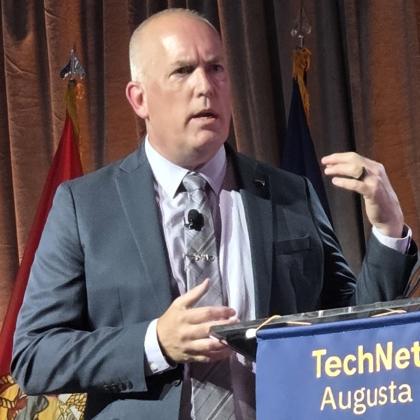
This is a tool that we are going to use with AI in order to help us determine what needs to change, how fast we need to change it, if we should change it, and allow the human aspect of it then to make the decisions that it needs to be able to do.
Service leaders are already planning an array of modernization changes. For example, Reese pointed out, individual soldiers will use their cellphones to build a profile and “be able to figure out what observations and lessons are relevant to them, such as the tactics, techniques and procedures (TTPs) for unmanned aerial system employment ... regardless of combat theater, location or terrain and conditions, such as a jungle environment or Alaska."
“Based on where that user is, he can tailor, or she can tailor, that information in order to get those specific TTPs that would be useful for that particular area, and then, oh by the way, when he or she [transfers] to the other theater, the profile updates, gets the new information, gets the new TTPs regarding that area on how to do that,” Reese offered. “So now at the user's edge, we're not stovepiping our decisions anymore. All those stovepipes are broken down with a mesh network to allow us to share rapidly across the force, so that we can see and learn at the speed of relevance.”
VICTOR will also ingest all Army doctrine and observations and point out if a significant percentage of the force is failing to follow the doctrine. That may prompt changes to doctrine, TTPs and field manuals, he suggested, adding that the system may help with training and education modernization as well.
“And then we're going to do the same thing for all our training POIs and how we train soldiers and functional training, individual training, how we train at the schoolhouse," Reese said. "And then we're going to do the same thing for how we do our [professional military education]. And we can keep that rapid pace of innovation going through all of the nonmaterial requirements as we look forward to how we change our Army very rapidly.”
TechNet Augusta is organized by AFCEA International with help from the U.S. Army Cyber Center of Excellence. SIGNAL Media is the official media of AFCEA International.

Comments