
NETCOM’s Wish: A Digital Twin
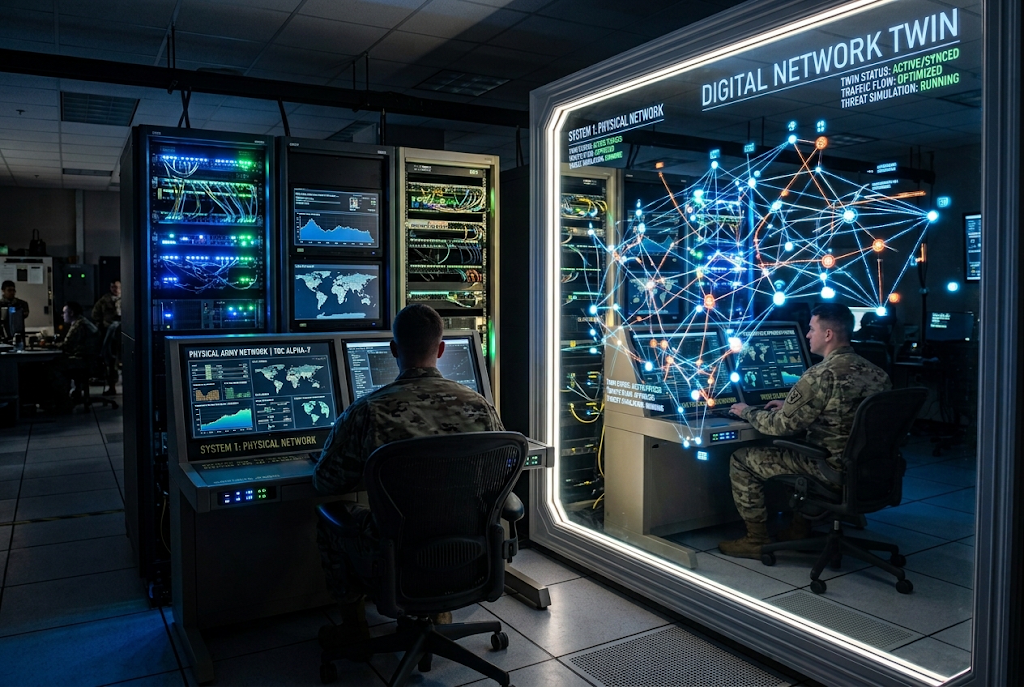
At the top of the wish list for the commanding general of the U.S. Army Network Enterprise Technology Command, or NETCOM, is a digital twin of the Army's networks.
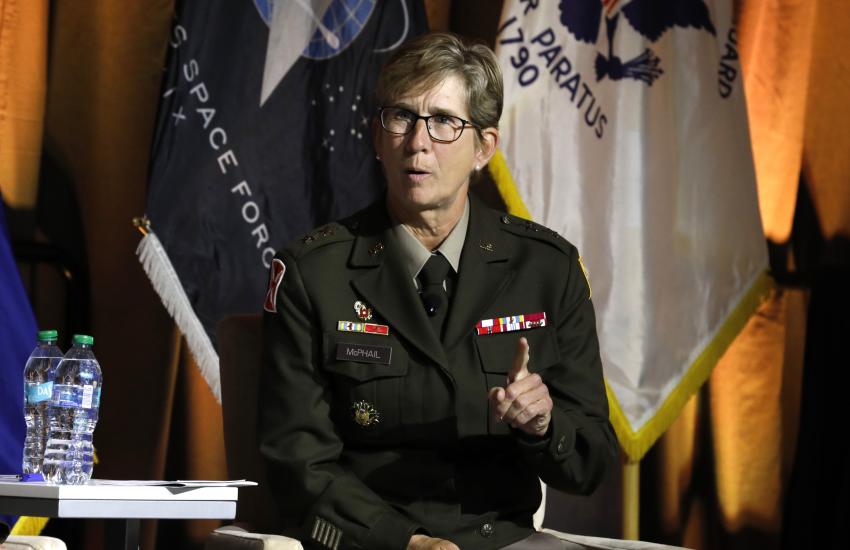
It is not a small task for industry, Maj. Gen. Jacqueline D. McPhail, USA, commanding general of NETCOM, acknowledged.
“It’s a big ask,” McPhail said on a panel with other Army offcials at AFCEA International’s TechNet Augusta conference in Augusta, Georgia, on August 20.
The command faces 1.2 million cyber attacks per day, as it operates and defends the service’s computer networks, including defending the so-called DOWIN-A network, the Army’s part of the military’s information network previously called the DODIN.
NETCOM also delivers theater-focused, unified information technology and cyber effects nationwide and tactically around the globe, the commanding general said.
“When I look at what can industry bring, and I’ve been on this soapbox for a while, it is a digital twin of the DOWIN-A,” the commanding general said.
Already, NETCOM is examining how artificial intelligence (AI) can possibly help in the cyber defense of the networks.
“When we talk about data, we provide that highway that the data traverses,” the commanding general said. “We secure, operate and defend that highway, and it is very interesting as we look at AI and how we can leverage AI to do that at the speed of need and at the speed of our adversaries that are trying to attack both the data and the network.”
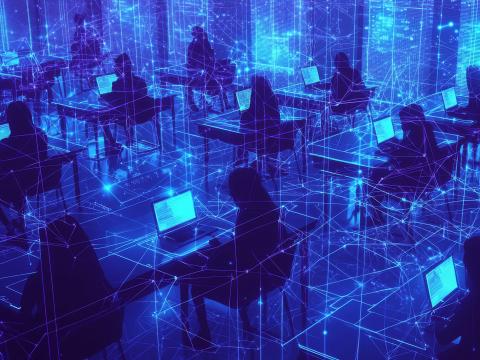
A secured, cordoned-off digital replica of NETCOM’s networks would provide many things for the command, but it would especially allow the command to experiment with AI and assessing the security of its digital infrastructure.
“If we can get a digital twin of the DOWIN-A, that now enables us to be able to leverage AI in that model to understand our vulnerabilities,” McPhail said.
Exploring through a digital twin would allow soldiers to see any gaps in network security, as well as confirm its strengths.
“We talk a lot about, ‘Hey we need to figure out what’s broken,' but we also need to figure out what’s not broken so we don’t break it later,” McPhail said.
A digital twin would also help improve network operations and cybersecurity through centralized training, she said.
“I know it's a large-scale effort," McPhail said. "I think we start small and build it out."
TechNet Augusta is organized by AFCEA International with help from the U.S. Army Cyber Center of Excellence. SIGNAL Media is the official media of AFCEA International.
Comments