
U.S. Army Advances Interoperability, Industry Partnerships
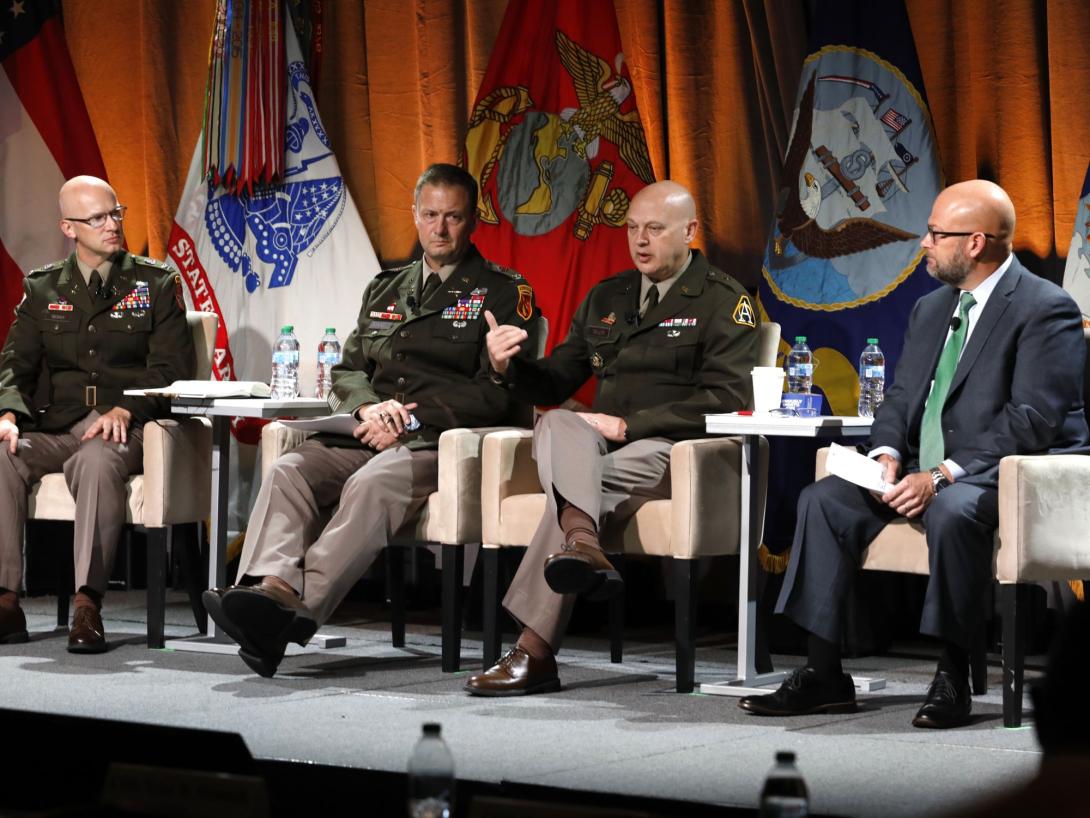
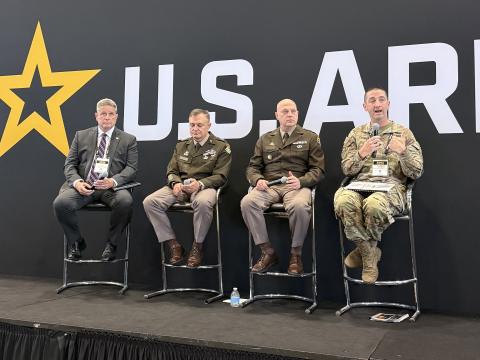
At TechNet Augusta 2026, speakers discussed next-generation integration, including command and control (C2), intelligence and fires in the counter-C2 fight. Central to this discussion is interoperability, the experts stated, outlining key efforts currently taking place within the U.S. Army.
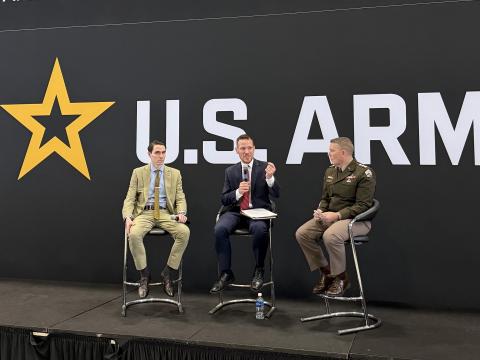
Moderating the panel session was Col. Don Sedivy, director of transformation integration at the U.S. Army Cyber Center of Excellence.
Operation Jailbreak, for example, is an initiative that has brought together Army and industry for joint hackathon events. “We’ve had a number of iterations on Jailbreak, continuing to iterate there,” said Chris Manning, capability program executive (CPE) at the Capability Program Executive Intelligence and Spectrum Warfare, or CPE ISW.
“Expect that there will be an intel-focused on in the not-too-distant future to get after, so that would be what I point industry to, to make sure you’re tracking that, engaging that wholeheartedly and getting after delivering capability,” he stated.
Brig. Gen. Jack Taylor shared the sentiment, underlining the need for interoperability to be built into systems by design. Taylor, who serves as CPE for CPE Command and Control Information Network, or CPE C2IN, stressed that industry and government must work together through open architectures and continuous integration testing to validate security and interoperability requirements before technologies are fielded.
“Gone are the days of proprietary black boxes that we’re going to have to figure out at the edge how we’re going to integrate, or we end up having to do it via swivel chair,” he said.
Lots of great work has been done over the last two years, he added.
“Our near peers have access to the same technologies, these commercial technologies, so our competitive advantage is our ability to rapidly integrate, deploy these capabilities and then continuously update, and so I think . . . partnership between us and industry is critical to that.”
We don’t want to go back to a point where the Sentinel radar only talks through the [Air Defense Artillery (ADA)] C2 systems.
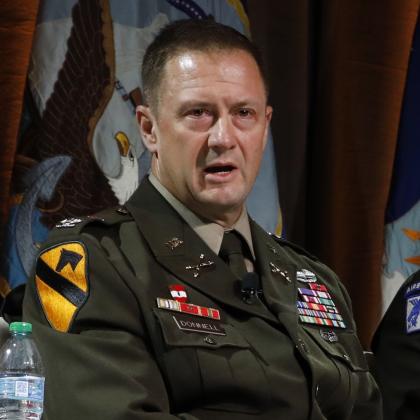
Also joining the panel was Col. Tyler Donnell, director of offensive fires transformation and lessons learned manager at the U.S. Army Fires Center of Excellence. Donnell emphasized the importance of moving forward with interoperability in mind.
“We don’t want to go back to a point where the Sentinel radar only talks through the [Air Defense Artillery (ADA)] C2 systems.,” he said.
Additionally, Donnell noted, his team is days away from announcing the final selection of the Mobile Tactical Cannon, or MTC. The initiative is an ongoing modernization effort across the Army. “From the beginning, those requirements of being able to share data in real time were there,” he said.
The tactical edge is relentless, he stressed.
TechNet Augusta is organized by AFCEA International with help from the U.S. Army Cyber Center of Excellence. SIGNAL Media is the official media of AFCEA International.
Comments