
Two Tools Ensure Readiness and Enhance Resiliency Within the Navy
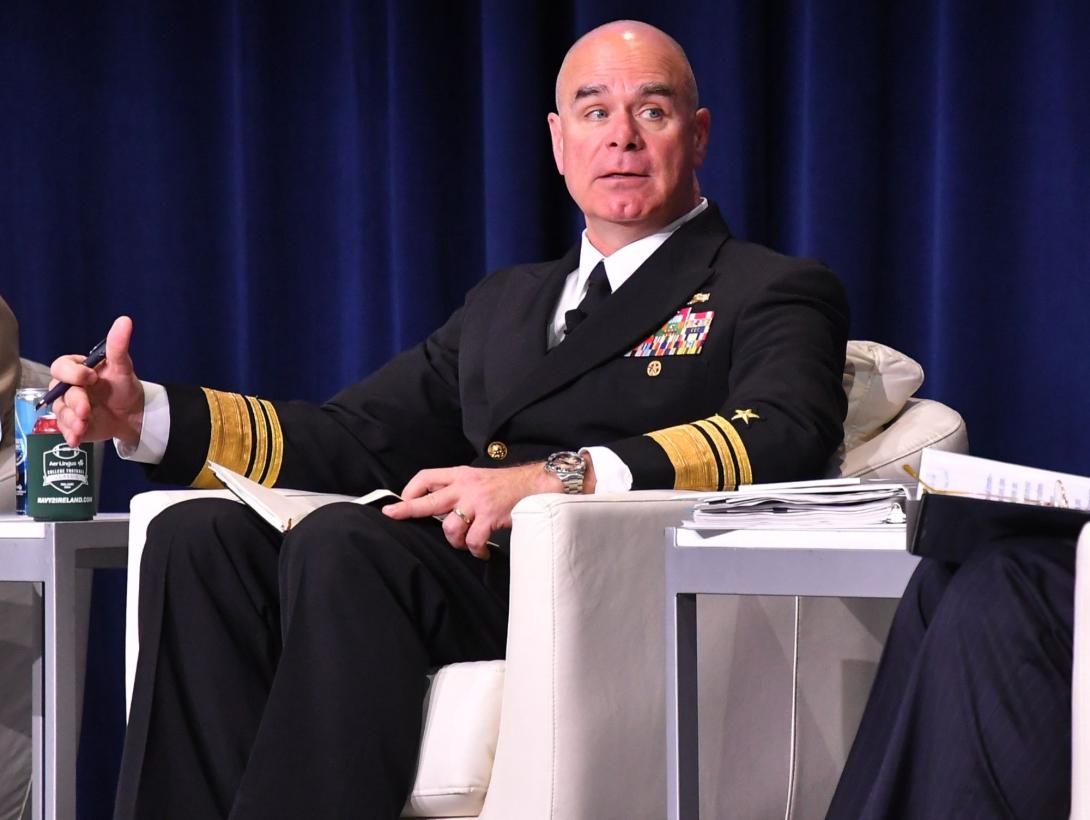
U.S. Navy officials are now using two new pieces of technology that assist in fixing existing capabilities, ensuring readiness across the force for the future fight.
Firstly, the Artificial Intelligence (AI) Sidekick tool, which is a type of AI chatbot for spy radar, gives sailors access to a plethora of data and information at their fingertips. This capability can operate independently, and it does not have to be connected to work properly, according to Vice Adm. Brendan McLane, USN, commander of the Naval Surface Forces and commander of the Naval Surface Force in the U.S. Pacific Fleet.
Secondly, the Augmented Reality Maintenance System is a goggle capability that features a camera. The goggles have a direct visual line back to technology experts at the Naval Surface Warfare Center, Crane Division (NSWC Crane), in Crane, Indiana. So, when working to fix faulty technology, Navy officials can wear the goggles to give maintenance crews a firsthand look at the problem and, ideally, another pair of eyes to help guide them through the process of resolving the issue. McLane added that they need connectivity to work with the goggles.
These two capabilities provide sailors with additional avenues of receiving help to accomplish their missions.
In addition to these tools, through the Navy’s recent presence in the Red Sea, McLane and his fellow Navy officials learned how crucial it is for them to achieve and maintain superior resiliency. Their ability to get ready and stay ready, while also being resilient, protected the lives of the sailors and structures of the ships.
“I think the 23 months that we spent fighting in the Red Sea really showed that with the world-class equipment we have and the world-class training that we give, they perform superbly,” McLane said during a panel at West 2026 held in San Diego. “With all the missiles that were shot at our ships, and we had over 35 ships in the fight, not a single sailor was hurt; not a single ship was damaged, so that really goes to the testament of the resiliency that we were able to demonstrate there.
“What we learned is we really have to be at maximum redundancy when we go in,” McLane added. “So, for us, for me, the resiliency really is starting with having all the parts on our shelf before we roll out.”
Additionally, each naval ship needs to have more sailors to achieve and maintain superior resiliency, McLane stressed. Right now, they have far too many openings.
For me, the resiliency really is starting with having all the parts on our shelf before we roll out.
“We’re committed to the curve, paying for and recruiting enough so that by the end of [the chief of Naval Operations’] time, we’ll be at 100%,” McLane said. “I still have about 6,500 gaps at sea. That works out to about 42 sailors per ship. That’s a lot of sailors that are missing."
Furthermore, during the panel, McLane addressed the difference between group and individual training, and he provided one reason why group training can be beneficial to the force.
“When you have that many gaps, you have to kind of decide, when are you going to try to put the most people on the ship, and that’s the beginning of basic phase,” McLane added. “So, we can take full advantage of the team training that we do so that when we roll on deployment, everybody on the ship has gone through that team training and is part of the team.”
WEST 2026 is co-hosted by the U.S. Naval Institute and AFCEA International. SIGNAL Media is the official media of AFCEA International.
Comments