
Colorado Springs To Gain Space Force PAE
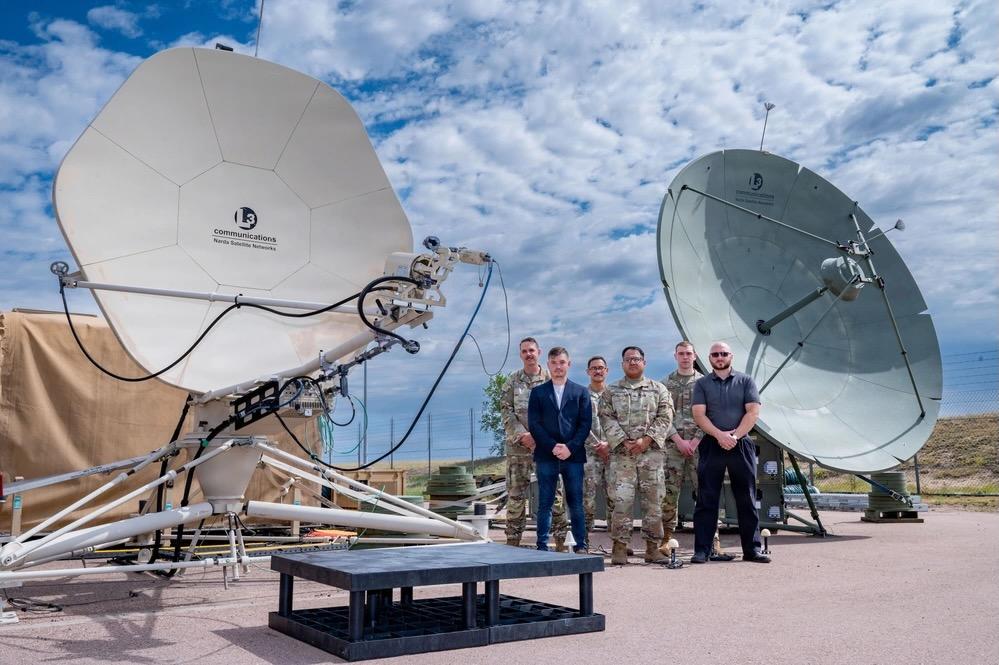
Colorado Springs, Colorado, home to the U.S. Army’s Fort Carson, Cheyenne Mountain Space Force Station, Peterson Space Force Base and Schriever Space Force Base, is gaining a new contingent.
The U.S. Space Force’s Infrastructure Portfolio Acquisition Executive (PAE) will move to Peterson, from Space Systems Command at the Los Angeles Air Force Base.
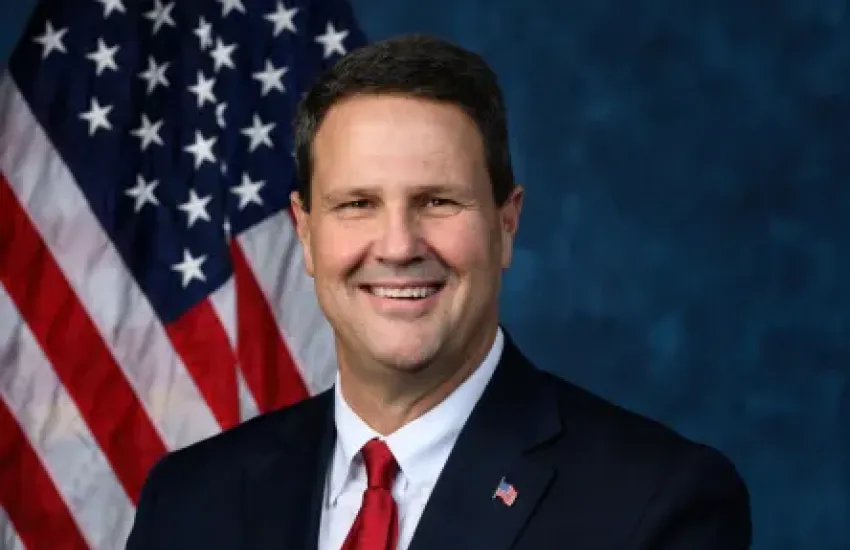
Having the Infrastructure PAE move to Colorado Springs is a welcome addition and part of the Space Force’s evolution, Rep. Jeffrey Crank, a Republican who represents Colorado’s 5th District, told SIGNAL Media in an August 13 interview.
“Obviously, it's great news,” Congressman Crank stated. “As the Space Force has come into existence, our former Air Force bases in Colorado Springs became Space Force bases. We have three Space Force bases here in El Paso County, and not only with this PAE decision, but with many other actions, [the region will] really continue to grow.”
The move is part of the revamp of acquisition processes in the military that is intended to shorten the acquisition cycle and bring decision-making and requirements-building more to an operational level.
“This PAE was housed and continues to be housed under the Space Systems Command, but pushing that purchasing authority down to the decision-makers at the PAE, particularly for the Infrastructure PAE, is a good thing,” Crank shared. “The real value of even doing this whole PAE system is to embed the acquisition in with the operational piece. And I think that is smart for the Space Force, because you want the operators to have a close relationship with the people who are buying and purchasing equipment and ranges.”
In practice, that will make acquisition processes more responsive to the operators’ needs, and in turn, that will draw in responsive industry, the congressman noted.
“As they continue to do that, people are going to want to be located here to be a customer of that PAE,” he said. “They want to have a good relationship with them, so I think we will start seeing more commercial office locations here.”
The Infrastructure PAE, which is one of nine Space Force PAEs, includes assets from the service’s original Operational Test and Training Infrastructure program executive office, known as OTTI, from Los Angeles, along with other critical infrastructure programs for the service.
According to the Space Force, the Infrastructure PAE is responsible “for integrating and synchronizing the acquisition, development and sustainment of integrated test and training capabilities to ensure the delivery of fully burdened force designs to the U.S. Space Force.”
The PAE will hold the service’s distributed, enterprise-wide test and training systems and processes that create and maintain combat readiness for Guardians and other warfighters across the spectrum of conflict domains. This includes live ranges, models and trainers, red-team forces, synthetic test and training environments, secured facilities and assured networks.
The congressman said he expects several hundred direct jobs to be added as a result of the PAE move, with more positive economic impacts as the PAE continues to expand from an initial budget authority of $4 billion annually to about $10 billion a year.
“It is the investment that is going to go on over the next several years in El Paso County and Colorado Springs because of the growth of Space Force,” he said. “It is going to be tremendous. And the PAE itself has the potential to bring in more jobs—I have been told about 500 total jobs. And in large part, over the last couple of months, most of those folks have already moved out here, or those jobs have been stood up. And this will also drive more industry to come to Colorado Springs.”
In addition, Crank sees the region continuing to support and grow its highly technical workforce.
“Colorado Springs has a pretty unique workforce with regard to space and even cyber,” he said. “We do have a lot of that capability here because of the operational components of both U.S. Space Command and the Space Force being here. We operate the GPS satellites out of Schriever and have so many operational pieces of Space Command that the workforce is here.”
Facilitated conversations with the Space Force and Colorado universities, including the University of Colorado Colorado Springs, indicate to Crank that academia is ready to support the growth of the technical workforce.
“The University of Colorado at Colorado Springs basically said, ‘Look, we have everything from dorms to classrooms to professors,’” the congressman shared. “They said, ‘We just want to be helpful in whatever it is we can do to help, as you bring in more people.’ And it is not just this PAE. There are some other things that are coming as well to Colorado Springs.”
At Schriever, the service plans to build a new $250 million space operations center facility. Funding for that, the lawmaker said, is in the U.S. president's budget and the National Defense Authorization Act for fiscal year 2027.
“That is going to be about 2,500 civilian jobs coming in,” he noted. “That facility will have a total of about 5,700 total positions, with the rest beyond the 2,500 slated as military billets. In addition, the size of the Space Force out at Peterson will increase. Right now, about 600 2nd lieutenants who, when they come into the Space Force, their first assignment as 2nd lieutenants is at Peterson Space Force Base. Next year, it is going to be 1,800 because we are just putting more people into the Space Force, so we will see that increase of 1,200 people coming in.”
As for who is leading the Infrastructure PAE at Peterson, Col. Richard Beckman, USSF, took over the position on August 6, from Col. Corey Klopstein, USSF, who was the first Infrastructure PAE, according to a report from secretary of the Air Force public affairs.
Klopstein was instrumental in the creation of the Space Force’s spacecraft test and training environment.
Thomas Ainsworth, acting assistant secretary of the Air Force for Space Acquisition and Integration, called Klopstein’s efforts in preparing the Space Force for the future as “monumental” and something that “will be felt for decades.”
Klopstein “didn't just manage a portfolio; he built an enterprise from the ground up,” Ainsworth said, according to the report.
“Since the activation of the Operational Test and Training Infrastructure program executive office in October 2023, Klopstein transformed the organization from fewer than 10 people to a 300-member team executing a $500 million annual budget,” the report stated. “Under his leadership, the budget allocated for test and training grew from $870 million to more than $2 billion.”
Klopstein is retiring out of his dual-hatted roles as the PAE and the System Delta 81 commander.
Beckman, meanwhile, previously ran the Space and Cyber Branch of the Joint Staff’s Capabilities and Acquisition Division. He also served as the first Guardian vice commander for the Air Force Technical Applications Center. Most recently, the colonel commanded the Phillips Research Site and served as director of the Air Force Research Laboratory Space Vehicles Directorate at Kirtland Air Force Base, New Mexico, where he led more than 1,000 military, civilian and contractor personnel.

Comments