
The International Growth of the Space ISAC
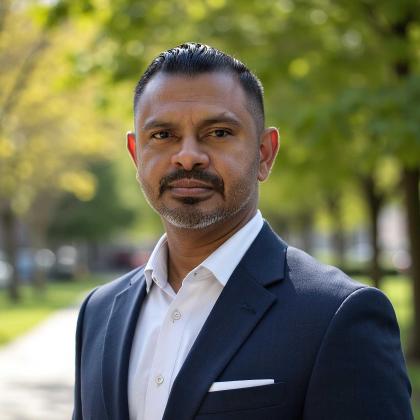
The Colorado Springs-based Space Information Sharing and Analysis Center, or Space ISAC, is greatly expanding its international ties to better understand space threats, increase its global reach and foster international collaboration in space cybersecurity, reported Hector Falcon, director of the Space ISAC’s Watch Center.
The Space ISAC needs key global partnerships, as it aims to be an all-threats space security information source for the public and private space sector.
“The mission of Space ISAC: we are across the global space industry for the whole purpose of collective defense through bidirectional exchanges and sharing,” he said. “[It is] about how we can correlate, aggregate and integrate information . . . looking at vulnerabilities, incidents and threats, using a holistic perspective, and leveraging our community.”
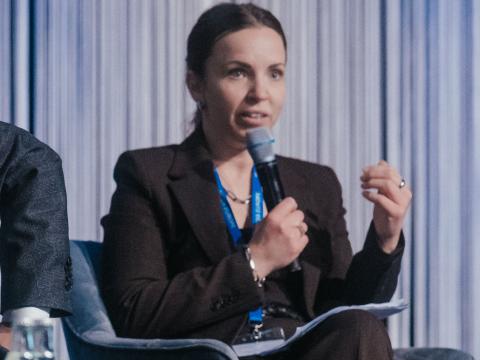
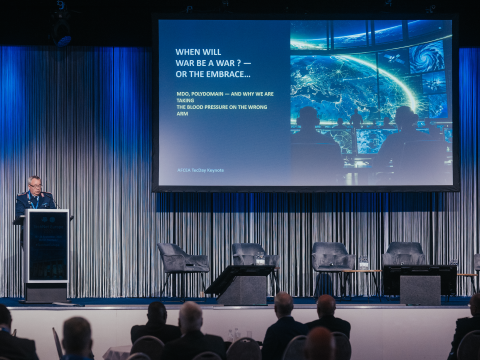
Falcon spoke February 4 at the AFCEA Rocky Mountain Cyberspace Symposium, held in Colorado Springs, Colorado.
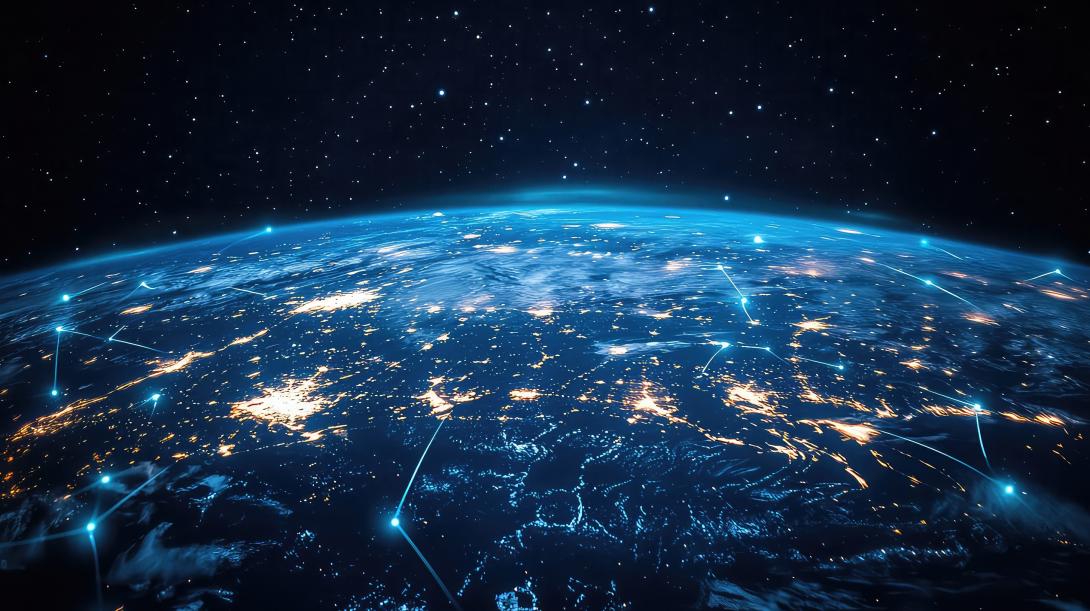
Space ISAC is pursuing a global hub structure, with a “follow the sun” approach to track adversarial activities from ground to space around the globe, Falcon said.
The organization set up its first global hub with Australia in 2024—under a signed memorandum of understanding—made, in part, to better understand the threat landscapes across the greater Indonesian archipelago, Falcon explained.
Falcon confirmed that some of the specific strategic policy matters they are working on with Australia include: Cybersecurity Maturity Model Certification and China’s Compass Navigation Satellite System activity. The parties also conduct tabletop exercises.
The Space ISAC plans to support the Australia Space Cyber Forum in 2026, and the partners are preparing to brief leaders in preparation for the forum, he shared. In addition, the partners are seeking a potential funding opportunity from the Government of South Australia.
For this global hub, the strategic advisor to the Space ISAC is Matthew Salier, the former CEO of the Australian Cyber Collaboration Centre, an entity dedicated to building cyber capacity and securing Australia’s digital landscape. The relationship is furthering the joint goals for Australia’s space-cyber ecosystem. The centre hosts a cyber range, which the partners hope to harness, along with the Space ISAC’s 24/7 Watch Center, Falcon noted.
In addition, to grow the partnership further, Space ISAC is working with the International Astronautical Congress in Sydney, and has also recently added the University of New South Wales, Canberra, as a University Member.
“The university will aid the Australian Global Hub, contributing their expertise to foster innovation, knowledge sharing, and resilience across the space industry,” a recent press release from Space ISAC stated. “The university’s leadership in advanced intelligent satellite systems, artificial intelligence, and space situational awareness aligns perfectly with Space ISAC’s mission to promote collaboration and enhance global space security.”
Meanwhile, the Space ISAC is working to grow its ties to space organizations in the United Kingdom. The U.S. organization recently met with the U.K.’s Civil Aviation Authority to set up a workshop in mid-March for Space ISAC members to join a facilitated workshop.
With Canada, the Space ISAC conducted its first official meeting on November 13, 2025, to discuss the possible road map. “The Space ISAC board of directors hopes to establish a Canada Global Hub,” Falcon shared.
Their liaison is Shirl Mitchell, from Telesat, as they meet with officials and industry partners from Ansys, Aalyria, MDA Space, Mission Control, Canada Deloitte, the Canadian Centre for Cyber Security (CCCS), Public Safety Canada, and Innovation, Science and Economic Development Canada.
The mission of Space ISAC: we are across the global space industry for the whole purpose of collective defense through bidirectional exchanges and sharing.
They have leveraged several agreements with CCCS and are relying on MITRE D3FEND and ATT&CK platforms.
“We signed an NDA in March 2025, and CCCS onboarded to Space ISAC,” Falcon said. “There is an opportunity to grow cyber threat intel sharing between CCCS and Space ISAC.”
The trends they are looking at in Canada include: ransomware; artificial intelligence-assisted targeting; espionage; prepositioning; cloud; and software supply chain exposures.
In addition, Space ISAC is planning a future hub with Japan, Falcon stated.
Parties have set up meetings with a Japan analyst working group and Deloitte Japan.
The global hub structure will aid understanding of space-related cyber, he noted.
The Rocky Mountain Cyber Symposium is co-hosted by the AFCEA Rocky Mountain Chapter and AFCEA International. SIGNAL Media is the official media of AFCEA International.

Comments