
Navy Acquisition and Requirements Reform Is on the Right Track
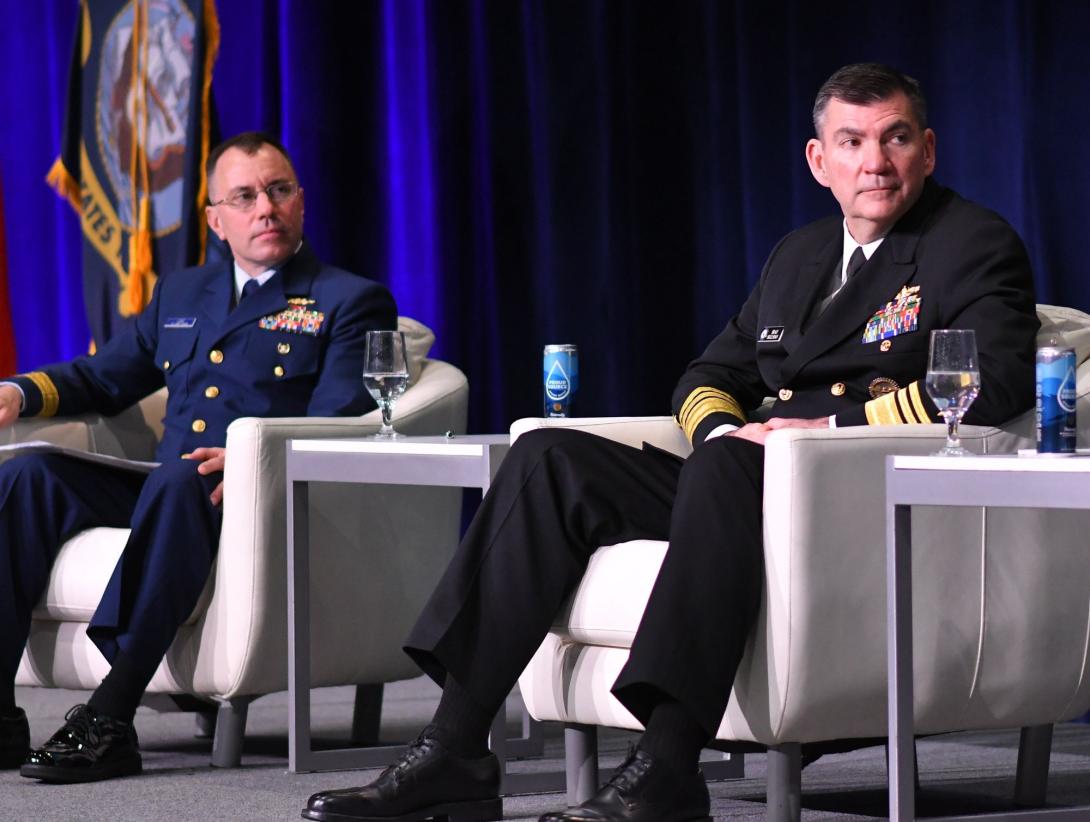
To prepare for future fights, including the possible 2027 conflict, U.S. Navy officials are adjusting the acquisition and requirements process to give sailors access to the capabilities they need in a fraction of the time.
Firstly, they are establishing the Capability Trade Council. This group will be responsible for highlighting cases in which requirements are restraining capability development and deployment. For example, if there are requirements that might not be applicable to certain tools and if these requirements are still holding back warfighters from building or fielding a piece of technology, Capability Trade Council members will promote the scenario and challenge the reason for why the tools cannot advance to the next stage in the developmental process.
“There are examples through history, but they’re anecdotal, that we’ve done that right,” said Vice Adm. Brad Skillman, USN, deputy chief of Naval Operations for Integration of Capabilities and Resources (N8) in the Office of the Chief of Naval Operations. “It usually takes an acquisition executive with enough chutzpah to push back against the requirements and the services.”
The acquisition executive in these examples is not objecting to leaders’ concerns about the technologies in question being perfect, but they think these technologies are better than the ones available.
“So, it’s exciting,” Skillman said during a panel at WEST 2026 held in San Diego.
“As we make these changes and we try to move fast in not only reforming ourselves but reforming how we do business with industry and with the fleet, I need you to hold us accountable,” Skillman added. “So, in a year from now when I come back here, I expect either you [to tell me] you’re talking the talk and walking the walk, or you may be talking to me a little bit harshly about how we have not performed in that way.”
This reformation of the Navy’s requirements processes aligns with the Joint Capabilities Integration and Development System (JCIDS) changes they are making within the secretary of the Navy today. These alterations are productive and eliminate a good chunk of time it takes to move through JCIDS, Skillman said.
“It’s a very slow process,” Skillman said. “Did it provide the answers that we wanted? Well, probably 25 years ago when we were building only exquisite things, and we had no competitors that were challenging us. It was probably fine to move very slowly in those ways. It is no longer fine to move slowly, and requirements have to evolve.”
As we make these changes and we try to move fast in not only reforming ourselves but reforming how we do business with industry and with the fleet, I need you to hold us accountable.
Additionally, portfolio acquisition executives (PAEs) are now helping to cut the red tape for capability development.
“Aligning the fleet with acquisition, with headquarters requirements and with our industry partners, we’re all in this together, and we know there is an imperative,” Skillman said.
“Based on the threat that we see in the world today and Chairman Xi’s statements about readiness for Taiwan in ‘27, we need to be moving so much faster than we are, and yet, fiscally, we’re moving slower,” Skillman added. “So PAE is designed around, let’s get after it. Let’s move fast. Let’s break down the boundaries and the barriers that we’ve created over time in our acquisition portfolios and actually look at it holistically and be able to move out fast.”
WEST 2026 is co-hosted by the U.S. Naval Institute and AFCEA International. SIGNAL Media is the official media of AFCEA International.



Comments